


John J. Macionis was born and raised in Philadelphia, Pennsylvania. He began studying engineering at Cornell University before majoring in sociology and earning a bachelor’s degree. John received a doctorate in sociology from the University of Pennsylvania.


With years of experience across schools, community colleges, and universities, my primary goal has always been to offer the best-in-class material to my colleagues and students. In a rapidly changing world, it’s crucial that textbooks evolve as well. I believe that timely updates to book editions are essential to ensure relevance and accuracy, reflecting new knowledge.
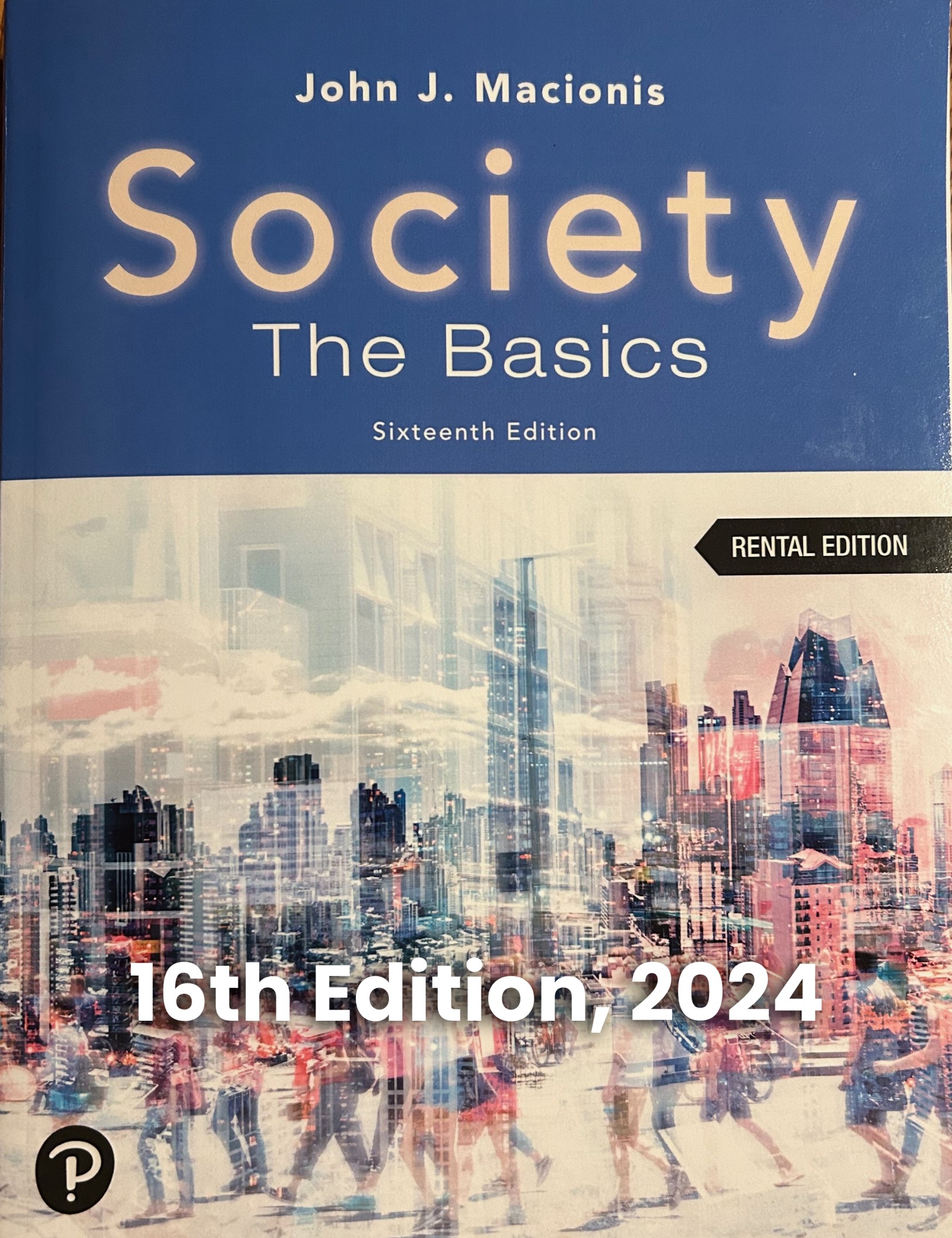
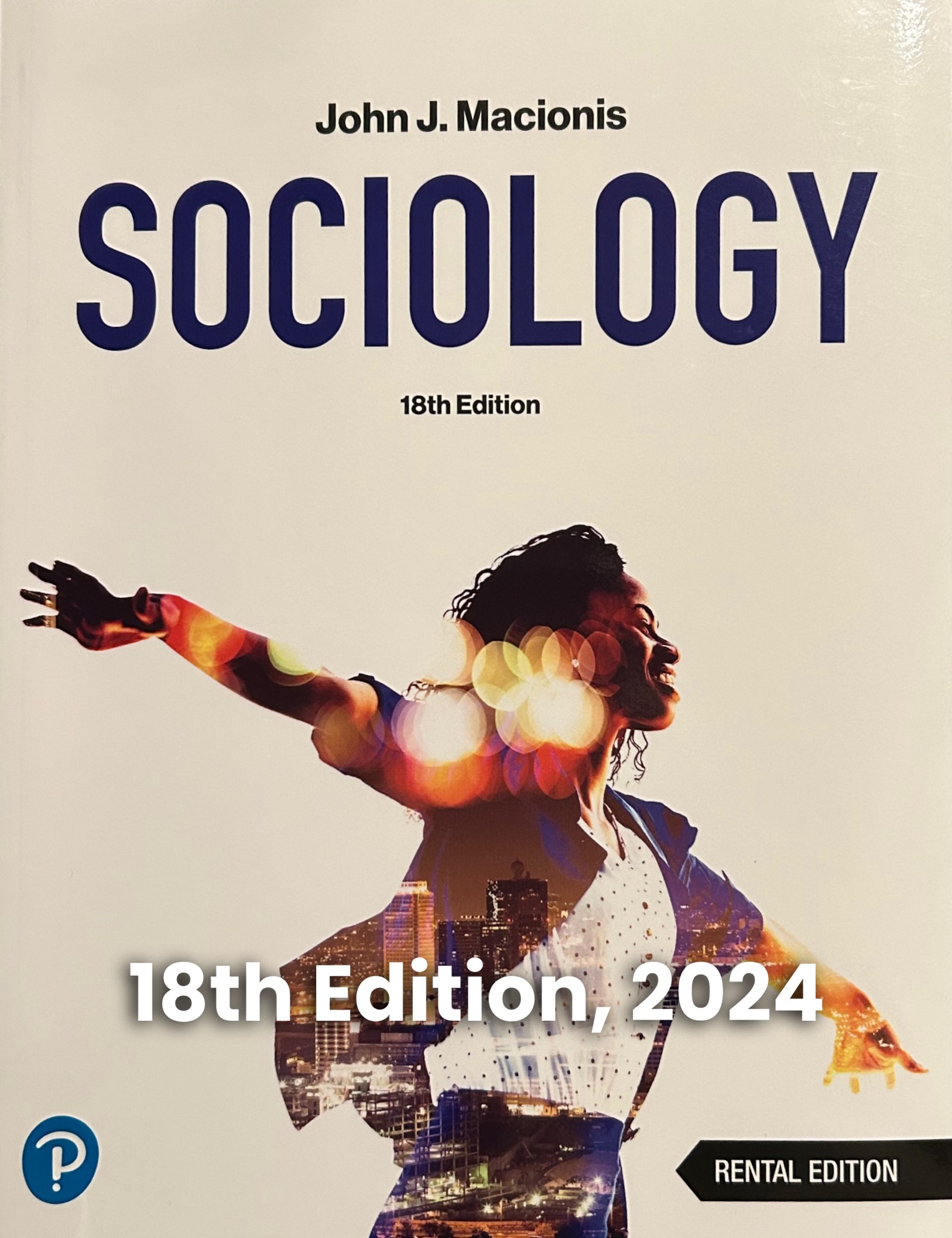
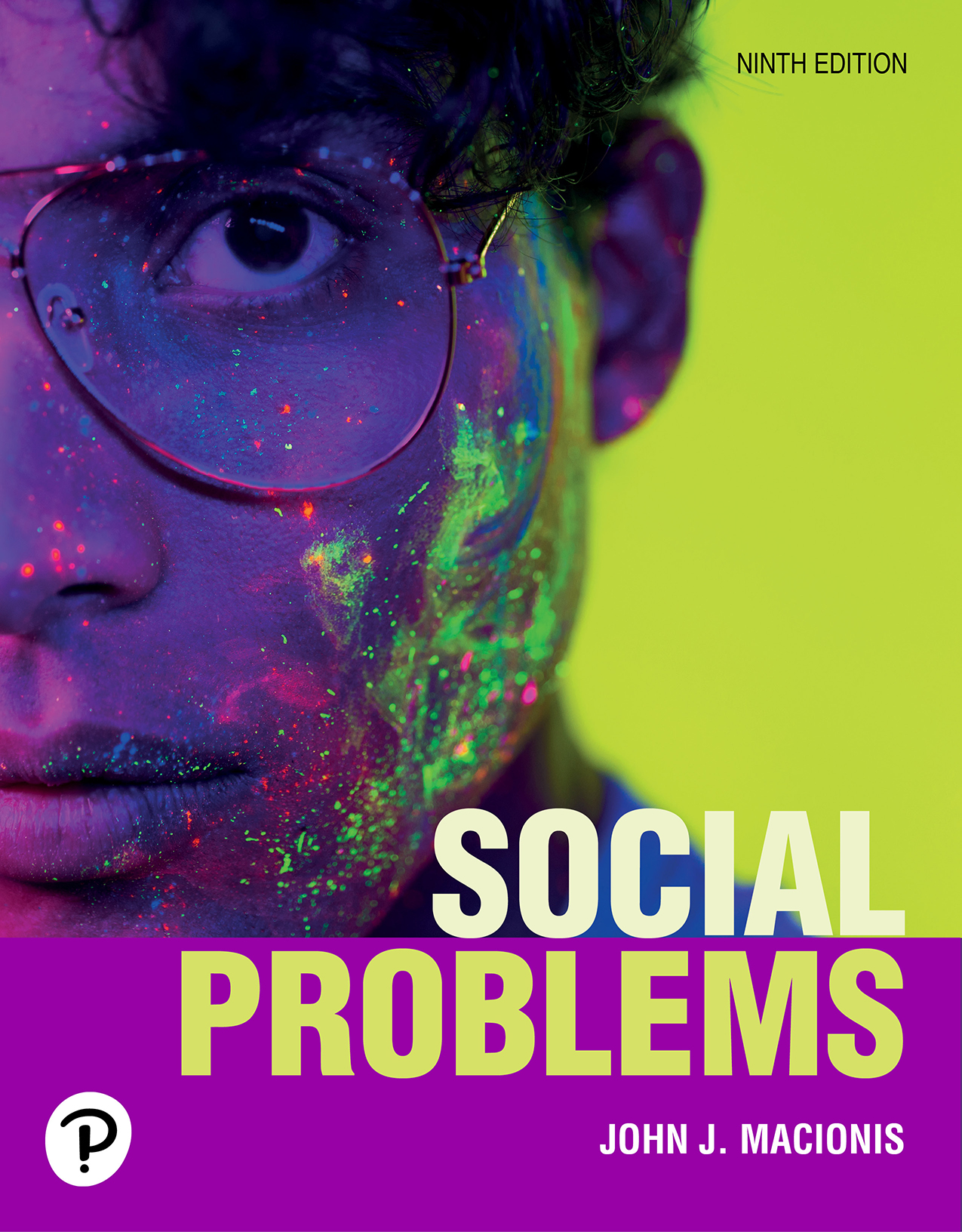


Interactive digital editions are available now, and rental print editions are available with the option to purchase.
Our new introductory titles--Sociology 19e (25 chapters) and Society: The Basics 17e (18 chapters with essentially the same coverage)--represent major revisions and cutting-edge currency to support your students with best-in-class content.
What does "best-in-class" mean? Below, six major goals of these revisions are presented.
What's New: Chapter by Chapter in Society: The Basics 17th edition and Sociology, 19th edition.
The focus of my work remains writing what I hope are the most engaging, up-to-date, and change-focused texts in the field of sociology. In an age of outsourcing and cost saving, I still do the work the old-fashioned way--by myself, and I do what it takes to get it right. All the content, all the supplements, all the test questions are done “in house” so you can have complete confidence in accuracy and quality. The Revel digital learning material, which is fully functional on any and all computers and mobile devices, is interactive, current, and written to change lives and change society.
Why digital? This is the future and it is already here. Most of today’s students have experienced digital learning for their entire lives. Because students expect information to be available through electronic devices, they are most likely to complete assignments that are available online. There are other advantages as well. Our digital titles are completely ADA compliant, presenting material in ways that meet the needs of all people including those with various disabilities. Readers can modify screen size, just as students can choose to listen to content available in audio files.
Digital learning is also the answer to the long-time problem of high book prices: Revel titles are sold for less than half of cost of print books (and students may choose to purchase a supplemental print version for a small additional cost). Yes, they can also opt to rent print books for a very low cost.
Most important, digital allows all students to learn through discovery. Rather than passively reading a book, students interact with a digital title that invites the experience of active discovery. Every semester, I increase the interactive content of our titles. This is the bright future of learning. Will you join me and our students on this journey?
If you have questions or comments, I invite you to write to me at macionis@kenyon.edu


Here is a forty minute video lecture that examines income inequality beginning with my own Kenyon campus and then investigates broader patterns of inequality in diverse work settings, including education, medicine, and the world of finance. The presentation also contrasts public perceptions to the reality of wealth inequality.